Date published
03 July 2026
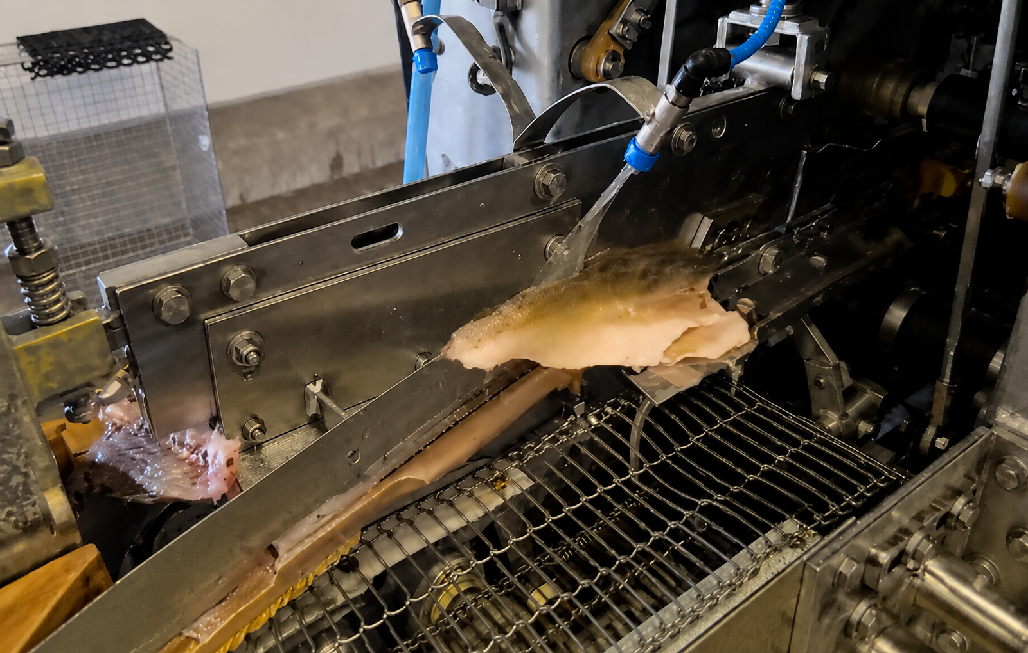
In the fish processing industry, yield is the ultimate benchmark. Direct production trials were conducted to evaluate how the mechanical designs of the Baader 187 and Baader 184 handle the specific anatomy of Pikeperch (Zander).
Production Video: Watch the live performance of the machines here: Watch the Filleting Trials on YouTube.
Trial Setup & Raw Material Parameters
-
Species: Pikeperch (Zander)
-
Weight Range: H&G (headed & gutted) weight between 430g and 520g
-
Condition: Core temperature at 0 to 4°C, manually deheaded
-
Objective: Direct technical evaluation of suitability and throughput efficiency for this specific fish bracket.
Factory Floor Results
Filleting quality is determined by the amount of meat left on the bone structure. The trials revealed key mechanical differences:
1. Baader 187: High Yield and a Clean Backbone
-
Performance: Exceptional separation of meat from bone, leaving backbones virtually clean.
-
Stability: Smooth operation, total fillet tissue integrity, and zero line blockages.
2. Baader 184: Technical Observations and Yield Limitations
-
Material Flow: The anatomical structure of the pikeperch caused occasional hang-ups on the scraper sub-assemblies, interrupting line flow.
-
Tail Section Cut: Incomplete cuts near the tail area left premium meat on the backbone, reducing the final yield.
Final Engineering Recommendations
-
Pikeperch (430g to 520g H&G weight): The Baader 187 is the optimal choice, ensuring maximum meat recovery and a clean backbone.
-
Baader 184: Shows performance and yield limitations (losses at the tail and backbone) within this specific weight bracket.
-
Fish weights above 520g: Require further verification. Separate trials on the larger Baader 189 system are highly recommended.
Looking for a fish filleting machine? Explore our selection of fish filleting machines and find the right solution for your production needs.